

Water Themed Art: Ideas & Inspiration for Artists
Water themed art offers one of the most versatile directions in contemporary practice. From shifting reflections to vast oceanic forms, it brings together visual richness and conceptual depth. It gives artists space to explore perception, memory, and the changing conditions of the natural world.
Water themed art refers to artworks that use water as a subject, material, or conceptual framework, ranging from realistic depictions to abstract and idea-driven practices. It involves understanding how water behaves and what it represents. Artists often use it to explore ideas like change, memory, emotion, and connection to the natural world.
In contemporary art, water can function both as a visible subject and as a conceptual tool to explore themes such as time, memory, and environmental change. It may appear directly in the artwork or shape the meaning behind it. This is why water themed art remains important in contemporary water art, where artists also respond to environmental concerns.
Whether you are starting fresh or building a body of work, art inspired by water can open new creative directions. In this article, we will explore techniques, ideas, and water themed art projects to support your creative practice.
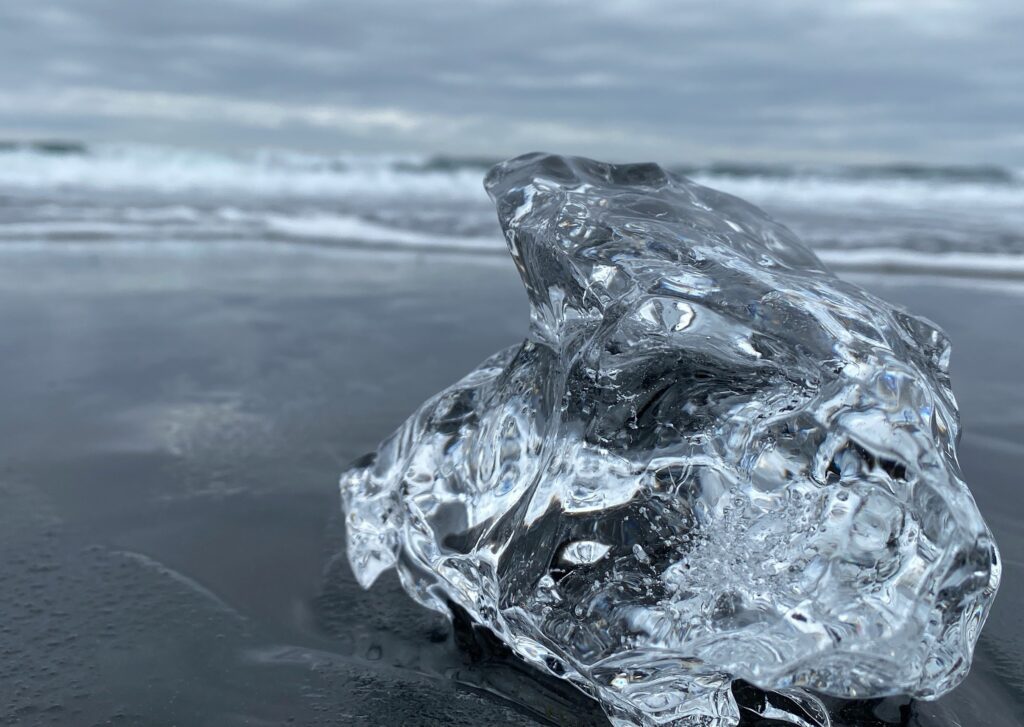
Why Water is a Powerful Theme in Art
Artists often return to water because it can express many ideas at once. The same element can feel calm, threatening, healing, or uncertain depending on how it is shown. This gives artists room to build work that feels both personal and open to interpretation.
Across cultures, water has long been linked to life, renewal, movement, and loss. These associations give it depth beyond its visual appeal. Because of this, water symbolism in art allows simple images to carry strong emotional and cultural meaning.
Water also reflects human experience in a direct way. A still surface can suggest silence or memory, while rough waves can suggest pressure, conflict, or change. This makes the theme useful for artists who want to communicate emotion clearly without making the work feel too literal.
In contemporary water art, the theme has also become closely connected to urgent global issues. Many artists use the environmental art water theme to explore climate change, pollution, and rising sea levels. In these works, water is not only something to look at. It becomes part of a wider social and environmental conversation.
For these reasons, water themed art remains a relevant and widely explored theme across painting, sculpture, digital media, and installation. It gives artists a subject that is visually rich, emotionally strong, and conceptually flexible.
Types of Water Themed Art in Contemporary Practice
Water themed art can be approached in several distinct ways, depending on whether the artist focuses on appearance, movement, or conceptual meaning. Some artists focus on how water looks, while others focus on how it behaves or what it represents. These different approaches help artists build a unique direction while staying connected to the same theme.
Representational Water Art
This approach focuses on showing water as it appears in the real world. Artists may create ocean inspired artwork, paint rivers, or capture reflections on a surface. Light, color, and detail play an important role here.
This type of art inspired by water is often used to study observation and improve technical skills. Even simple scenes can feel powerful when attention is given to atmosphere and composition.
Abstract and Fluid Art
In this approach, artists move away from realistic images and focus on movement and texture. Abstract water art often uses flowing lines, layered color, and organic shapes.
Techniques like pouring paint or working with ink allow the material to spread naturally. This creates a strong sense of fluidity in art, where the process becomes part of the final result.
Conceptual and Environmental Art
Some artists use water to explore ideas instead of appearance. In this direction, contemporary water art often connects to themes like identity, memory, and human impact on nature.
The environmental art water theme is especially important today. Artists create installations, digital work, or mixed media pieces to highlight issues such as pollution and climate change. In these works, water becomes part of a larger message rather than just a visual element.
Water Themed Art Ideas & Creative Exploration
To develop water themed art effectively, focus on practical experimentation through observation, material testing, and idea-driven projects. Instead of thinking about styles, this stage is about trying ideas and building your own direction through practice.
Observational Studies
Start by observing water in real environments, such as reflections on streets, movement in waves, or transparency in shallow surfaces. Notice reflections, ripples, or how objects appear under the surface. These details can become strong starting points for your work.
Create quick sketches based on different conditions like rain, waves, or still water. These simple exercises can develop into water themed art activities that improve both observation and confidence.
Material Experiments
Use water as part of the process, not just the subject. Try watercolor, ink, or diluted paint and watch how they spread and interact.
Let the material move freely instead of controlling every step. This approach is common in water themed arts and crafts, but it can also lead to more advanced outcomes when repeated and refined.
Idea-Based Projects
Build projects around a clear idea. Think about how water connects to your own experiences or to wider topics like movement, time, or environment.
You can develop water themed art projects that explore personal stories, social issues, or natural changes. This turns simple making into creative art inspiration that has meaning behind it.
Techniques Used in Water Themed Art
Techniques determine how convincingly water is represented, influencing movement, depth, and surface texture in the final work. The right method can help create depth, movement, and surface detail that make the work feel more convincing and engaging.
Watercolor Techniques
Watercolor is widely used in water themed art because it naturally creates soft edges and smooth transitions. Artists control how much water is used to adjust transparency and flow.
Common watercolor techniques include wet-on-wet for blending, dry brush for texture, and layering to build depth. These methods help show reflections, light, and shifting surfaces.
Fluid and Pouring Methods
Fluid painting focuses on how paint moves across a surface. Instead of using brushes, artists pour or tilt the paint to guide its direction.
This approach creates natural patterns that reflect movement and variation. It is often used in abstract water art to produce flowing shapes without strict control.
Mixed Media Applications
In mixed media water art, different materials are combined to create contrast. Artists may layer paint with ink, charcoal, or textured surfaces.
This helps show the complexity of water by mixing smooth areas with rough or broken textures. It also allows more flexibility in how the artwork is built.
Digital Techniques
Digital tools allow artists to create water effects with precision. Software can be used to design reflections, waves, or layered textures.
These methods are often used in contemporary water art, where artists combine traditional ideas with digital processes to expand their work.
Water as Metaphor in Contemporary Art
In many contemporary works, water is used to express complex ideas that are difficult to represent directly through literal imagery. Instead of focusing on how it looks, artists use it to build meaning through suggestion and interpretation.
One way this appears is through transformation. Water can shift between states, flow through spaces, or reshape its surroundings. Artists use this quality to explore how identity, time, or place can evolve rather than stay fixed.
Water is often used to explore boundaries, such as separation and connection between places, identities, or cultures. It can separate or connect spaces, making it useful when exploring ideas like migration, distance, or belonging. In this context, water symbolism in art becomes a way to discuss movement across physical and cultural borders.
Another important use is in how water affects visibility. Reflections, distortions, and depth can change what is seen or hidden. Artists use this to explore uncertainty, perception, and how reality is experienced differently by each viewer.
In contemporary water art, these metaphorical uses are often linked to global concerns. Water can highlight environmental pressure, resource imbalance, and the relationship between people and nature. Here, the environmental art water theme supports work that invites reflection and discussion rather than giving direct answers.
By working in this way, water themed art moves beyond surface imagery. It becomes a tool for thinking, questioning, and creating layered meaning within a single visual element.
From Exploration to Exhibition
After developing initial studies, the next step is to refine your work into a clear and cohesive artistic direction. This stage is about selecting, refining, and organizing what you have created.
Start by reviewing your studies and experiments. Look for patterns in your work. This could be a repeated subject, a consistent color palette, or a specific way of handling materials. These connections help form a stronger body of water themed art.
Once you identify a direction, begin refining your best pieces. Focus on improving composition, clarity, and overall presentation. At this stage, each work should feel intentional rather than experimental.
It is also important to think about how the work will be shown. A strong body of work should show clear consistency, whether through subject matter, material approach, or visual language. This is especially important when presenting contemporary water art in a gallery or online setting.
Artists may also develop a short explanation of their work. This helps viewers understand the idea behind the series without over-explaining it. Clear presentation allows the work to communicate more effectively.
Moving from exploration to exhibition is about making decisions. By editing your work and presenting it with purpose, your ideas become easier to understand and more impactful.
Water Themed Art in a Global Context
Water carries different meanings across cultures, shaping how artists interpret and represent it in their work. While it is a shared element, its meaning changes depending on location, history, and daily experience.
In some regions, water is closely linked to survival and growth. In others, it may be connected to spirituality, rituals, or natural cycles. These differences influence how artists develop aquatic art concepts and choose their subjects.
Geography also plays a role. Artists living near coastlines may focus on ocean inspired artwork, while others may explore river inspired art or issues related to drought and limited resources. These local conditions bring unique perspectives into water themed art.
At the same time, global challenges have made water a topic that connects artists worldwide. Access to clean water, changing climates, and shifting landscapes appear in many forms of contemporary water art. Artists respond to these conditions in ways that reflect both personal and shared experiences.
This global range adds depth to the theme. It shows how one subject can carry different meanings while still creating a connection between artists working in different parts of the world.
Conclusion
Water themed art offers a flexible and enduring framework for both technical exploration and conceptual development. Through water themed art, artists can build work that is thoughtful, engaging, and open to different interpretations.
Whether you are interested in process, subject matter, or concept, this theme can support long-term creative growth. It gives space for both technical development and stronger artistic direction.
To discover how contemporary artists are working with water today, explore our curated programs and exhibitions.
