

Environmental Art in Contemporary Practice: Ecology, Water, and Creative Expression
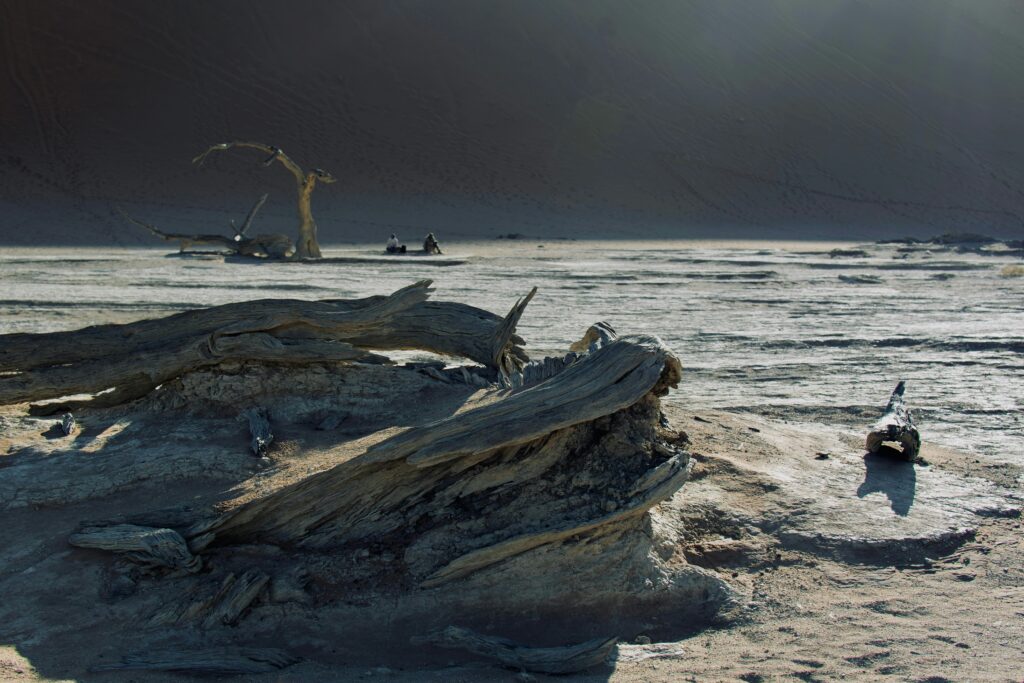
Environmental art is a contemporary artistic practice that explores the relationship between people, nature, ecology, and environmental change. It engages with the natural world, environmental systems, and ecological issues through a wide range of creative approaches. Unlike traditional landscape art, which primarily depicts nature, environmental art often incorporates natural materials, ecological processes, or environmental concerns directly into the artwork itself.
Artists today use natural systems, climate, water, and ecological change as creative frameworks to explore both personal and global ideas. In many works, the environment is not simply a subject to represent. It becomes part of the artistic process, the material language, and the meaning behind the work itself.
Contemporary environmental art brings together visual expression, research, and reflection. Artists work with natural materials, environmental data, organic forms, and immersive spaces to create work that responds to changing landscapes and environmental conditions. These practices often connect art and ecology through themes such as sustainability, memory, transformation, and human interaction with nature.
Water also plays an important role in environmental art. Rivers, oceans, rainfall, and shifting coastlines appear across painting, installation, sculpture, photography, and digital media. In many cases, water and environmental art are closely connected because both explore movement, fragility, and environmental change. Artists use these elements to create works that feel visually engaging while also encouraging deeper reflection.
As climate concerns continue to shape contemporary culture, environmental art offers artists new ways to respond creatively to the world around them. Through conceptual thinking, material experimentation, and environmental awareness, contemporary art continues to expand the relationship between artistic practice and ecological experience.
Why Environmental Art Matters Today
Environmental concerns have become increasingly visible in everyday life. Rising temperatures, pollution, changing coastlines, and extreme weather conditions affect how people think about the natural world. As these conversations continue to grow, many artists are using environmental art to respond to these changes through creative practice.
Unlike traditional landscape art, environmental art often focuses on relationships between people, nature, and environmental systems. Artists are not only observing nature from a distance. They are exploring how human activity shapes ecosystems, resources, and shared environments. This shift has made climate change art an important direction within contemporary art.
Environmental art also creates space for emotional and personal reflection. Scientific reports and statistics explain environmental issues, but art can communicate these concerns in ways that feel immediate and human. Through visual storytelling, immersive experiences, and symbolic materials, artists encourage viewers to think more carefully about their connection to the environment.
Several ideas make environmental art especially relevant today:
- It connects artistic practice with ecological awareness.
- It encourages discussion about sustainability in art and daily life.
- It allows artists to explore climate concerns without relying only on direct political messaging.
- It creates experiences that combine visual beauty with critical reflection.
- It supports new conversations between contemporary art, science, and environmental research.
Many contemporary artists also use environmental installations to create stronger physical engagement with viewers. Large-scale spaces, sound, water, projection, and organic materials can transform how audiences experience an artwork. These environments often make climate awareness through art feel more immersive and memorable.
As a result, environmental art continues to grow across galleries, museums, public spaces, and digital platforms. It reflects a wider cultural movement where art and ecology are becoming increasingly connected within contemporary creative practice.
Environmental Art in Contemporary Practice
Contemporary environmental art moves beyond simply representing nature through images. Instead, many artists focus on systems, processes, materials, and human interaction with the environment. This approach allows environmental art to become both visual and conceptual at the same time.
In contemporary practice, artists often combine research, observation, and experimentation. Some create works using natural materials such as soil, water, plants, stone, or recycled objects. Others develop installations, digital works, or mixed media projects that explore environmental change through sound, movement, and space. These methods help artists build experiences that feel connected to real environmental conditions rather than distant representations.
Conceptual environmental art also plays an important role in this field. In these works, the main focus is often the idea behind the artwork rather than technical realism alone. Artists may explore themes such as climate instability, environmental memory, resource consumption, or the relationship between humans and natural systems. This creates work that encourages reflection instead of offering simple answers.
Many environmental installations are designed to change over time. Light, weather, water movement, and natural decay can become active parts of the artwork itself. This sense of transformation reflects the instability and movement found within ecological systems. It also allows viewers to experience environmental art as something living and evolving.
Water and Environmental Art
Water remains one of the most powerful elements within contemporary environmental art. Artists frequently explore rivers, oceans, rainfall, flooding, drought, and rising sea levels as both visual subjects and conceptual frameworks. These themes appear across sculpture, photography, installation, painting, and digital media.
In many works, water and environmental art are connected through ideas of fragility, movement, and environmental pressure. Water can represent life and renewal, but it can also reflect uncertainty, loss, and climate disruption. Because of this, artists often use water to explore how environmental change affects both landscapes and human experience.
Some contemporary artists focus on physical interaction with water through immersive installations and fluid materials. Others use water symbolically to discuss migration, memory, time, and ecological imbalance. This flexibility allows contemporary environmental art to remain visually rich while also carrying deeper conceptual meaning.
Artists Working with Nature and Ecology
Many artists working with nature create artworks that respond directly to landscapes, ecosystems, and natural processes. Instead of treating nature as a background subject, they often work in collaboration with environmental conditions themselves. This approach allows ecological art to feel more connected to time, space, and physical experience.
Some artists create temporary works outdoors using materials such as wood, soil, leaves, stone, or water. For example, Andy Goldsworthy uses stone, leaves, ice, and wood to create site-specific works that allow weather and time to become active elements of the piece.
Others, including Agnes Denes, have developed large-scale environmental projects that explore ecology, land use, and human responsibility through long-term interventions. In both approaches, transformation becomes an integral part of the artwork rather than something to resist.
Artists working with nature also explore how human activity affects the environment. Their work may address pollution, disappearing habitats, rising sea levels, or resource consumption. Rather than presenting direct solutions, many artists use visual experience and atmosphere to encourage reflection and awareness.
Common approaches within ecological art include:
- Site-specific installations connected to natural landscapes
- Temporary works shaped by weather and environmental change
- Sculptures made from organic or recycled materials
- Interactive projects involving water, sound, or light
- Research-based works exploring environmental systems
These methods help environmental art remain open, experimental, and closely tied to ecological experience.
The Influence of the Eco Art Movement
The eco art movement helped shape many ideas that continue to influence contemporary environmental art today. Emerging more strongly during the late twentieth century, the movement encouraged artists to think about sustainability, environmental responsibility, and the relationship between culture and nature.
Unlike traditional environmental imagery, the eco art movement focused on participation, process, and ecological awareness. Artists often worked outside gallery spaces and explored ways to reduce waste, reuse materials, and create environmentally conscious projects. This expanded how contemporary art could engage with environmental issues beyond representation alone.
Today, the influence of the eco art movement can still be seen across environmental installations, conceptual practices, public art projects, and sustainability-focused exhibitions. Many contemporary artists continue to build on these ideas while adapting them to current environmental concerns and changing technologies.
As ecological discussions continue to grow globally, environmental art remains an important space where creativity, research, and environmental awareness come together through contemporary artistic practice.
Environmental Installations and Immersive Experiences
Environmental installations allow artists to create spaces that viewers can physically experience rather than simply observe from a distance. These works often combine sound, light, projection, water, organic materials, and spatial design to build immersive environments that encourage reflection and emotional engagement.
In contemporary art, environmental installations are important because they change how audiences interact with a work. Instead of focusing only on a single object or image, viewers move through the space and become part of the experience itself. This creates a stronger connection between the artwork, the environment, and the viewer’s physical presence.
Many contemporary environmental art projects use large-scale installations to explore climate awareness through art. Artists may recreate natural environments, simulate environmental changes, or use sensory elements to communicate ideas about ecological fragility and transformation. These experiences can feel quiet and contemplative or immersive and overwhelming depending on the artist’s intention.
Environmental installations often include:
- Water reflections and flowing surfaces
- Natural sounds and environmental recordings
- Organic materials such as soil, wood, or plants
- Light-based projections and moving imagery
- Interactive spaces that respond to audience movement
These elements help create a deeper emotional response while supporting the conceptual themes behind the work.
Water also plays a significant role in many installation-based projects. In water and environmental art, reflective surfaces, movement, and sound can shape how viewers experience space and atmosphere. Artists use these qualities to explore ideas connected to memory, instability, climate, and environmental transformation.
Because of their immersive nature, environmental installations continue to grow across galleries, museums, public spaces, and digital exhibitions. They allow contemporary environmental art to move beyond visual representation and become an experience that viewers can physically enter and interpret for themselves.
Sustainability in Art and Creative Responsibility
Sustainability in art has become an important consideration within contemporary creative practice. Many artists are rethinking how artworks are produced, displayed, and experienced in response to growing environmental concerns. This shift has influenced both the materials artists use and the ideas explored within environmental art.
Some artists focus on reducing waste by working with recycled, found, or biodegradable materials. Others develop projects that require less energy, avoid harmful production methods, or adapt to natural environments without causing damage. These decisions allow artistic practice to become more environmentally conscious while still remaining visually and conceptually strong.
In ecological art, sustainability is often approached as both a practical and conceptual issue. Artists may explore consumption, pollution, resource use, or environmental imbalance through the materials and processes used within the artwork itself. This creates a closer relationship between artistic meaning and physical production.
Common sustainable approaches in contemporary art include:
- Using recycled or reclaimed materials
- Creating temporary works with minimal environmental impact
- Reducing waste during production and installation
- Working with natural or biodegradable materials
- Developing site-responsive projects that respect local ecosystems
These methods reflect a growing awareness of how artistic practice interacts with the environment.
Sustainability in art also affects galleries, museums, and curatorial spaces. Many institutions are reconsidering shipping methods, exhibition design, energy use, and material sourcing as part of broader environmental discussions. As a result, environmental art continues to influence not only individual artists but also the wider structure of contemporary art practice.
Rather than limiting creativity, sustainable approaches often encourage experimentation and new forms of thinking. Artists continue to find ways to balance material responsibility with conceptual depth, allowing contemporary environmental art to remain both visually engaging and environmentally aware.
From Observation to Environmental Reflection
Environmental art encourages viewers to look more carefully at the relationship between people and the natural world. Through materials, space, imagery, and atmosphere, artists create works that move beyond observation and invite deeper reflection about environmental experience and ecological change.
Many contemporary artists begin with close observation of natural systems. They study water movement, shifting landscapes, weather patterns, erosion, plant growth, and changing environments. These observations often become starting points for broader discussions about climate, memory, time, and human impact on nature.
In conceptual environmental art, meaning is often built through suggestion rather than direct explanation. Artists may use silence, repetition, scale, or fragile materials to create emotional tension and uncertainty. This approach allows viewers to interpret the work through their own experiences and perspectives.
Climate change art also plays an important role in shaping public awareness. Rather than presenting scientific information directly, artists create visual and physical experiences that make environmental concerns feel more immediate and personal. Through installation, photography, sculpture, video, and mixed media, climate awareness through art becomes connected to emotion, memory, and shared experience.
Environmental art often raises questions such as:
- How do humans shape natural environments?
- What does environmental loss look and feel like?
- How can artistic practice respond to ecological instability?
- What role does memory play within changing landscapes?
- How can contemporary art create environmental awareness without becoming purely instructional?
These questions help environmental art remain open, thoughtful, and deeply connected to contemporary culture.
As environmental concerns continue to affect societies worldwide, contemporary environmental art provides space for reflection, dialogue, and imagination. It allows artists and audiences to engage with ecological issues through experience, interpretation, and creative expression rather than through simple conclusions alone.
Conclusion
Environmental art continues to evolve as artists respond to changing ecological conditions and shifting relationships between people and the natural world. Through installation, sculpture, photography, digital media, and water-based practices, contemporary environmental art remains an important space for ecological reflection and creative experimentation.
At Henki Art, we are particularly interested in how artists use water to explore themes of environmental transformation, memory, place, and change within contemporary practice. Explore our featured artists, curated programs, ongoing projects, and the 2025 Henki Art Prize to discover how contemporary artists are engaging with these ideas today.
