

Landscape Art in Contemporary Practice: Exploring Modern and Abstract Perspectives
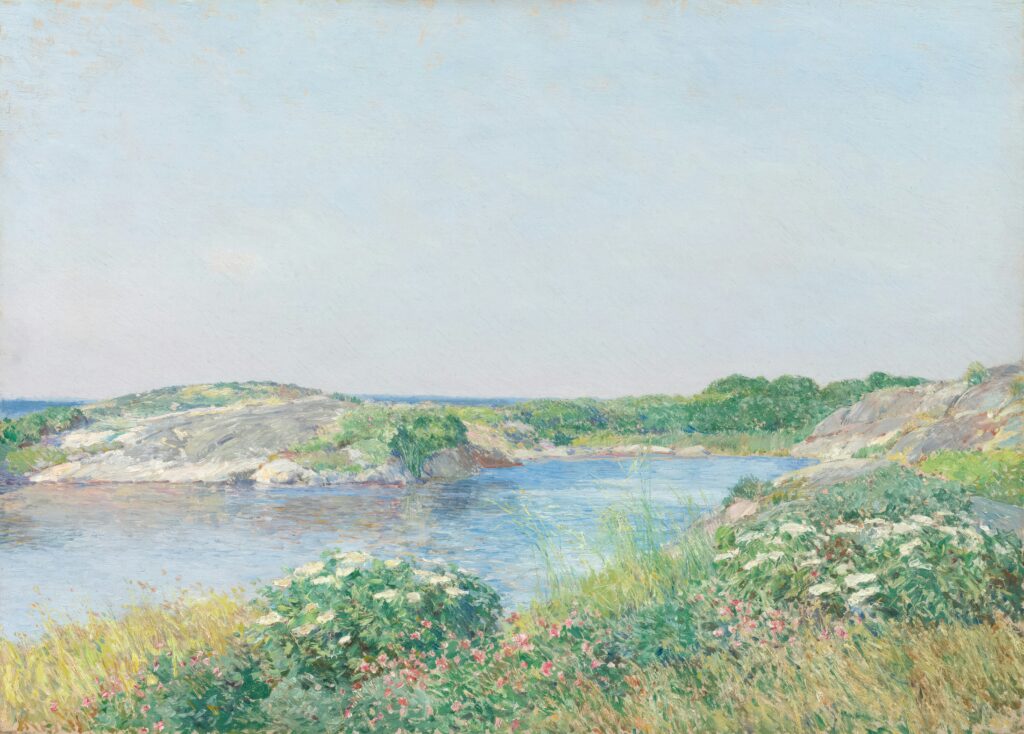
Landscape art explores the relationship between people and the environments they inhabit, from mountains and forests to rivers, coastlines, and urban spaces. While traditionally focused on representing natural scenery, contemporary landscape art has expanded to explore place, memory, perception, and the evolving relationship between people and the natural world. Rather than simply recording what they see, artists increasingly reinterpret landscapes through personal experience, experimentation, and contemporary artistic practice.
This evolution has shaped contemporary landscape art into a diverse field that includes painting, photography, installation, digital media, and mixed media. Alongside these developments, modern landscape art and abstract landscape art have introduced new ways of expressing atmosphere, emotion, and space without relying on realistic representation. As artists continue to rethink how landscapes can be experienced and understood, landscape art remains an important and evolving part of contemporary creative practice.
Alt text: Landscape Art featuring expressive ocean waves with textured blue brushstrokes in a contemporary painting
What Is Landscape Art?
Landscape art is a genre of visual art that explores the relationship between people and the spaces they inhabit, whether those environments are shaped by nature, human activity, or a combination of both. While mountains, rivers, forests, coastlines, and open skies remain familiar subjects, landscape art is equally concerned with the atmosphere, structure, and character of a place. It invites viewers to look beyond individual objects and consider the environment as a connected whole.
One of the defining qualities of landscape art is its flexibility. Artists can focus on sweeping natural views, quiet rural settings, dramatic coastlines, or even urban environments where natural and built elements intersect. Each landscape offers a different perspective, allowing artists to explore scale, light, colour, and spatial relationships in ways that reflect their own creative vision.
Rather than following a single style, landscape art continues to adapt to changing artistic practices. Some artists pursue careful observation, while others simplify forms, experiment with composition, or explore new materials to communicate a sense of place. This openness has allowed the genre to remain relevant across generations, providing endless opportunities for creative interpretation and visual exploration.
From Traditional Landscapes to Contemporary Landscape Art
Landscape art has changed significantly over time, reflecting the ways artists understand and respond to the world around them. Early landscape paintings often focused on accurately portraying natural scenery, with careful attention to light, perspective, and detail. These works celebrated the beauty of the natural world while capturing a specific place or moment in time.
As artistic ideas evolved, many artists began to move beyond realistic representation. Instead of creating exact views of a landscape, they explored mood, atmosphere, and individual interpretation. This shift opened new creative possibilities and encouraged artists to experiment with colour, composition, and form rather than focusing only on visual accuracy.
Today, contemporary landscape art continues this evolution by embracing a wide range of artistic approaches. In contemporary landscape art, landscapes are no longer viewed simply as physical locations. They can represent personal memories, cultural experiences, or imagined environments shaped by emotion and perspective. Artists often combine traditional techniques with photography, mixed media, digital processes, and installation to create works that expand the meaning of the landscape itself.
This broader approach has also influenced modern landscape art, where the focus is often on expressing an idea or experience instead of documenting a scene. By balancing observation with interpretation, contemporary artists continue to redefine landscape art as a dynamic and evolving form of creative expression.
Modern Landscape Art and New Artistic Perspectives
Modern landscape art has expanded the way artists explore landscapes by encouraging new ways of seeing and experiencing places. While traditional landscapes often focus on recording the appearance of a location, many modern artists are more interested in how a landscape feels, changes, or is remembered. This shift has opened the door to more personal and experimental forms of artistic expression.
In modern landscape art, the choice of medium plays an important role in shaping these experiences. Paint can capture atmosphere through colour and texture, photography can highlight overlooked details, and installation can invite viewers to move through a space rather than simply observe it. Digital media and mixed media also allow artists to layer images, materials, and ideas, creating landscapes that combine reality with imagination.
Modern landscape artists are also exploring new ways to think about composition and perspective. Some focus on close-up details instead of wide views, while others fragment familiar scenes or simplify natural forms to draw attention to shape, rhythm, and balance. These creative decisions encourage viewers to engage with landscapes in ways that go beyond simple observation.
By embracing a wide range of materials and artistic approaches, modern landscape art continues to redefine how landscapes can be experienced and understood. Instead of presenting a fixed view of nature, it invites viewers to see familiar places through fresh perspectives and evolving creative practices.
Alt text: Watercolour landscape painting of a peaceful lakeside with trees, distant hills, and soft natural colours
Abstract Landscape Art Beyond Representation
Abstract landscape art moves beyond the direct representation of nature and focuses on the qualities that make a landscape memorable. Instead of recreating a specific location, artists use colour, texture, shape, and movement to suggest the atmosphere and character of a place. This approach allows landscapes to be experienced through feeling and perception rather than precise visual detail.
Rather than relying on recognisable forms, many artists reduce landscapes to their essential elements. Broad areas of colour, layered textures, expressive brushstrokes, and simplified shapes can evoke open skies, distant horizons, or changing coastlines without describing them literally. These visual decisions encourage viewers to engage with the artwork through their own imagination and interpretation.
Composition is one of the defining characteristics of abstract landscape art, guiding how viewers experience movement, balance, and atmosphere within the work. The arrangement of shapes, the rhythm of repeated forms, and the balance between positive and negative space guide the viewer’s attention across the artwork. Light, contrast, and surface texture further shape the emotional atmosphere, creating a sense of movement, stillness, or depth that goes beyond the physical appearance of a landscape.
For many contemporary artists, abstraction offers the freedom to explore ideas that cannot always be expressed through realistic imagery. A landscape can become a reflection of memory, observation, or emotion while remaining open to multiple interpretations. By focusing on visual experience rather than literal description, abstract landscape art continues to expand the creative possibilities of landscape art and its place within contemporary artistic practice.
Place, Memory, and Atmosphere in Landscape Art
Landscape art often reflects more than the physical appearance of a location. Many artists are interested in how places are experienced, remembered, and understood over time. A landscape can hold personal meaning, represent a shared history, or capture the character of a place that has changed through the seasons or across generations. These deeper connections give landscape art a lasting emotional and cultural significance.
In contemporary landscape art, artists frequently draw on memories, travel, and everyday surroundings as sources of inspiration. Some revisit familiar places to explore how they have changed, while others create imagined landscapes that combine different locations into a single composition. These approaches allow artists to move beyond documenting a place and instead communicate their relationship with it.
The atmosphere is another important element that shapes how a landscape is perceived. Light, weather, colour, and seasonal changes can influence the mood of an artwork without altering its subject. A quiet morning, approaching storm, or mist-covered hillside can completely transform the feeling of a landscape, encouraging viewers to respond to the work in their own way.
By bringing together place, memory, and atmosphere, landscape art becomes a reflection of both the environment and human experience. This connection allows artists to create works that feel familiar yet deeply personal, giving each landscape its own identity while inviting viewers to discover their own meanings within it.
Water Within the Contemporary Landscape
Water has long been one of the defining elements of landscape art, shaping both the appearance of natural environments and the ways artists compose and interpret a landscape. Rivers, lakes, coastlines, waterfalls, and wetlands introduce movement, depth, and changing light that can transform even the simplest landscape into a dynamic visual experience. Rather than acting as a separate subject, water often becomes an essential part of the landscape itself.
In contemporary landscape art, artists use water to create balance, rhythm, and atmosphere within a composition. Reflections can add visual depth, while flowing rivers and shifting tides guide the viewer’s eye through the artwork. Seasonal changes, rainfall, mist, and coastal conditions also influence colour, texture, and mood, allowing artists to capture landscapes that feel both familiar and constantly changing.
Some artists observe water directly in nature, while others interpret it through expressive brushwork, layered textures, or abstract forms. These different approaches show how water can shape the character of a landscape without becoming the main focus of the artwork. Instead, it works alongside land, light, and sky to create a complete visual experience.
For many contemporary artists, water also highlights the changing qualities of a place. A calm shoreline at sunrise, waves shaped by the wind, or reflections across a quiet lake can reveal how landscapes shift throughout the day and across the seasons. These subtle changes encourage closer observation and remind viewers that landscapes are never completely still.
By treating water as an integral part of the environment, artists continue to expand the possibilities of landscape art. Whether represented realistically or through more expressive techniques, water brings movement, atmosphere, and visual harmony to contemporary landscapes, enriching the way artists interpret the natural world.
Alt text: Abstract landscape art inspired by flowing water, layered textures, and organic blue patterns
Why Landscape Art Still Matters Today
Despite changes in artistic styles and creative practices, Landscape Art continues to hold an important place in contemporary art. Its lasting appeal comes from its ability to adapt while remaining connected to something familiar. Every landscape offers new possibilities for observation, interpretation, and creative expression, allowing artists to revisit the subject from fresh perspectives.
In today’s artistic practice, landscapes are no longer limited to depicting a specific location. They can explore ideas about place, identity, atmosphere, and the relationship between people and their surroundings. This flexibility allows contemporary landscape art to remain relevant across a wide range of mediums and artistic approaches, from traditional painting to digital media and installation.
Landscape art also encourages viewers to slow down and observe the details of the world around them. Changes in light, shifting seasons, natural textures, and everyday environments can all become sources of inspiration. By drawing attention to these often-overlooked qualities, artists create works that invite reflection without offering a single interpretation.
As contemporary art continues to evolve, landscape remains a subject that supports both innovation and tradition. Whether approached through careful observation or abstract landscape art, it offers artists the freedom to experiment while maintaining a meaningful connection to place, experience, and the natural world.
Conclusion
Landscape art continues to inspire artists by offering endless opportunities for observation, interpretation, and creative exploration. While the genre has its roots in representing the natural world, it has grown into a dynamic field where ideas, emotions, and personal experiences are just as important as the landscapes themselves. Through contemporary landscape art, Modern landscape art, and abstract landscape art, artists continue to redefine how nature and place can be understood through visual expression.
At Henki Art, we are especially interested in how contemporary artists reimagine landscape art through atmosphere, material, and the ever-changing relationship between land and water. Explore our featured artists, curated exhibitions, ongoing projects, and the Henki Art Prize to discover how landscape art continues to evolve through fresh perspectives and contemporary creative practice.
