

Ephemeral Art in Contemporary Practice: Exploring Time and Impermanence
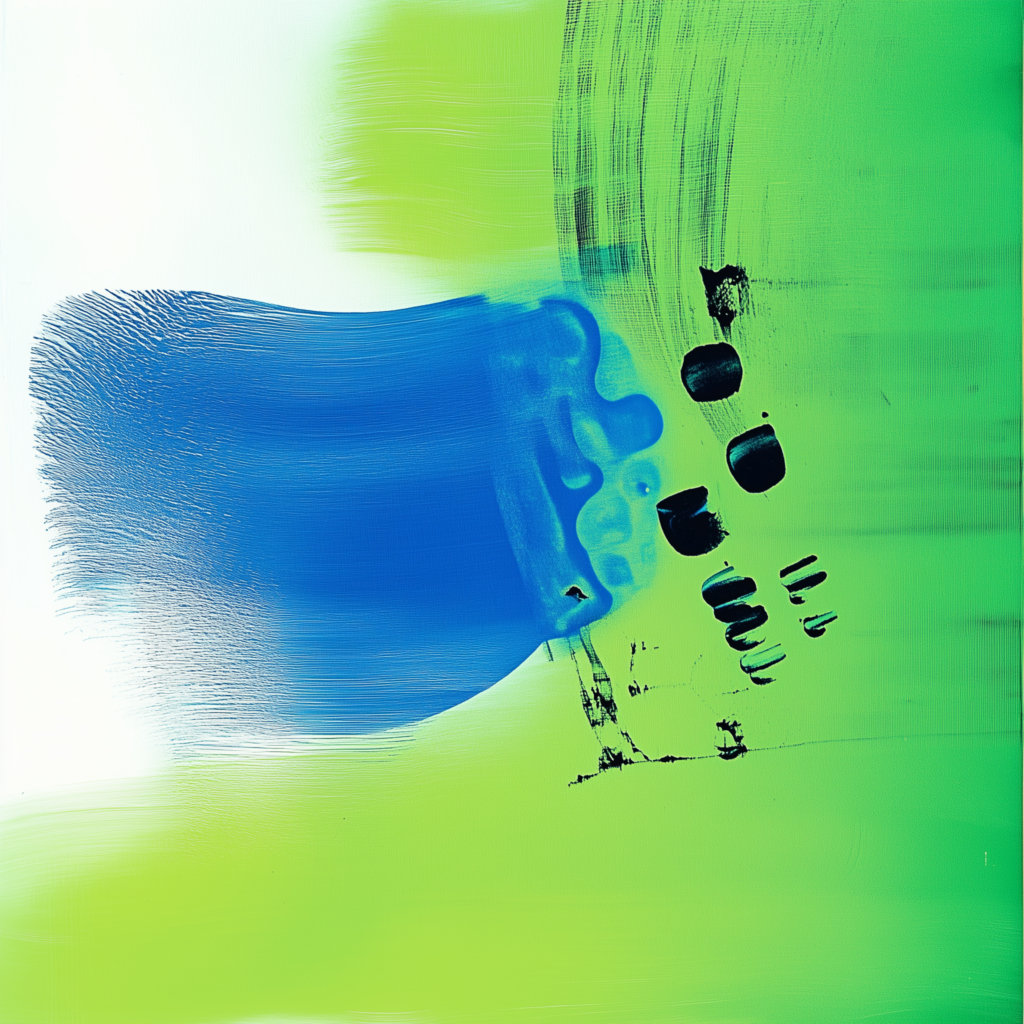
What if an artwork was never meant to last? While art is often associated with preservation and permanence, some creative works are designed to change, fade, or disappear. This idea lies at the heart of Ephemeral Art, where time and impermanence become essential parts of artistic expression.
Rather than focusing on creating something that remains unchanged, ephemeral art embraces the temporary nature of materials, experiences, and creative processes. An artwork might exist for a few moments, gradually transform over several days, or disappear completely as part of its intended development.
In contemporary practice, this approach challenges traditional ideas about what makes an artwork valuable. It invites viewers to appreciate an experience that cannot be preserved in its original form, revealing how change and disappearance can carry artistic meaning.
What Is Ephemeral Art?
Ephemeral art refers to creative works that are intentionally temporary, with change or disappearance forming part of their artistic purpose. Unlike traditional artworks designed to remain in their original condition, ephemeral works may exist for a limited period or gradually transform through natural processes, human interaction, or the materials used.
An Ephemeral artwork can take many forms, from arrangements of leaves and stones to performances, melting ice sculptures, or installations made with delicate materials. What connects these approaches is the understanding that the artwork’s physical form or experience will not remain the same.
An important distinction exists between intentional impermanence and accidental damage. A painting that fades unexpectedly is not necessarily ephemeral art. However, when an artist deliberately allows colour, structure, or material to change as part of the creative idea, that transformation becomes meaningful.
Rather than treating disappearance as a loss, ephemeral art considers it part of the work’s identity. Its value can lie in the experience it creates, the changes it undergoes, and the memories that remain after its physical form is gone.
The History and Development of Ephemeral Art
The idea of creating art that does not last is not new. Temporary artistic expressions have existed across cultures for centuries, appearing in ceremonial decorations, sand designs, seasonal arrangements, and performances. These practices often connect creativity with a particular moment, tradition, or shared experience rather than the preservation of a permanent object.
During the twentieth century, impermanence became increasingly important in experimental art. Movements such as performance art, conceptual art, and land art challenged traditional expectations of what an artwork should be. Creative activity, physical change, and temporary experiences began to hold significance alongside finished objects.
By the 1960s and 1970s, artists were exploring works that could exist outside conventional galleries or take forms that were difficult to collect and preserve. The artistic idea or event could become more important than a lasting physical result.
Today, ephemeral art continues to develop through installations, performances, and experimental practices. Its history reflects a broader shift toward understanding art as something that can unfold through actions, experiences, and processes rather than existing only as a permanent object.
Time and Impermanence as Artistic Ideas
In Ephemeral art, time is more than a measure of how long an artwork exists. It becomes part of the creative idea, influencing how the work develops and what it communicates. A gradual transformation, a brief performance, or a moment of disappearance can carry meaning that a permanent object might express differently.
Art and impermanence also explore the relationship between change and human experience. Just as moments in everyday life cannot be repeated exactly, temporary artworks encourage viewers to recognise the importance of the present. Knowing that a work will eventually disappear can create a stronger awareness of its changing details.
This approach can also challenge the expectation that art must remain physically unchanged to hold value. In some works, the process of transformation becomes just as significant as the initial creation.
Through time based art and other temporary practices, artists can explore ideas of transition, uncertainty, and the passage of time. Impermanence becomes a creative choice that allows an artwork to communicate through its development, rather than through a fixed final form.
Materials That Change, Fade, or Disappear
Materials play an important role in ephemeral art because their physical properties can determine how an artwork changes over time. Instead of choosing materials only for their appearance or durability, artists may work with substances that naturally melt, dissolve, decay, or lose their original form.
Different materials offer distinct possibilities for impermanent art:
- Ice: Gradually melts, allowing temperature and surrounding conditions to influence the artwork’s changing form.
- Sand: Can be shaped into detailed compositions that are later altered by wind, water, or human movement.
- Water: Flows, evaporates, or changes state, making movement and transformation part of the work.
- Flowers and leaves: Naturally wilt, dry, or decompose, revealing gradual changes in colour, texture, and structure.
- Light and shadow: Create temporary visual forms that shift or disappear as lighting conditions change.
Water can also serve as a subject or creative material in water themed art, while ephemeral practices place particular emphasis on its capacity to change over time. These materials allow material transformation to become a visible part of the artistic process. A sculpture made from ice, for example, may look different each hour, while an arrangement of organic materials can slowly change over several days.
The use of natural materials can also connect ephemeral practices with environmental art, particularly when changing physical conditions influence the work. The choice of material therefore influences more than the artwork’s appearance. It helps determine its lifespan, the changes viewers can observe, and how the creative idea develops from its initial form to its eventual disappearance.
Ephemeral Installation Art and Temporary Experiences
Ephemeral installation art creates experiences that exist for a limited period, making their temporary nature an important part of how audiences engage with them. Unlike permanent installations, these works may gradually transform during an exhibition or disappear once the event has ended. Some temporary installations also relate to site specific art, although an artwork’s connection to a particular location is different from its limited lifespan.
Some temporary art installations change throughout their display. A structure made from delicate materials might slowly lose its original shape, while a work involving projected light may exist only while the equipment is operating. These changes encourage visitors to notice different stages of the artwork rather than expecting a single, finished appearance.
The limited duration can also influence how people value the experience. Visitors who encounter an installation at different times may see different versions of the same work. Others may know it only through photographs or descriptions after it has disappeared.
In this way, temporary art installations create a relationship between artistic expression and the moment of encounter. Their significance comes not only from their visual form but also from the experience of witnessing something that cannot remain exactly as it is.
Examples of Ephemeral Art in Contemporary Practice
Several well-known artists have explored ephemeral art through works that change, disappear, or depend on temporary experiences. Their approaches demonstrate how impermanence can become a meaningful part of artistic expression.
Andy Goldsworthy creates temporary arrangements using natural materials such as leaves, stones, ice, and branches. Many of his works are gradually altered by weather, flowing water, or other natural processes. Photography often provides a record of their original appearance before they change or disappear.
Felix Gonzalez-Torres explored impermanence through installations made from everyday materials. In works such as Untitled (Portrait of Ross in L.A.), visitors may take pieces of candy from a displayed pile. As the candy is removed, the installation changes, although it can also be replenished. This process connects physical transformation with ideas of loss, participation, and renewal.
Olafur Eliasson has also examined temporary change through installations involving natural materials. In Ice Watch, large blocks of glacial ice were placed in public spaces and gradually melted, allowing visitors to witness a physical transformation over time.
These ephemeral art examples show that impermanence can take different forms, from natural decay to audience participation. In each case, change is an essential part of the artwork rather than an unexpected outcome.
How Ephemeral Art Is Documented and Remembered
When an artwork is designed to disappear, documentation becomes an important way to preserve knowledge of its existence. Photography, video recordings, written descriptions, and exhibition archives allow ephemeral art to be studied and shared long after the original work has changed or vanished.
Different forms of documentation capture different aspects of a temporary artwork. Photographs can preserve visual details, while video may reveal movement, gradual transformation, or audience interaction. Written records can explain the artist’s intentions, materials, and creative process.
However, documentation cannot always reproduce the complete experience. A photograph of a melting sculpture, for example, captures a particular moment but cannot fully communicate the changes that occurred before or afterward.
This distinction raises an interesting question about Art Documentation: does the record become part of the artwork, or does it simply provide evidence of something that once existed?
For many temporary practices, documentation creates a lasting connection to an experience that can no longer be encountered in its original form.
Why Ephemeral Art Matters Today
Ephemeral art remains relevant in contemporary practice because it challenges the idea that an artwork must be permanent, collectible, or physically preserved to have value. By embracing impermanence, artists can explore creative possibilities that extend beyond the traditional art object.
This approach also raises questions about ownership and preservation. When an artwork exists only for a limited time, its significance may lie in the concept, the process of creation, or the experience it offers rather than in a physical object that can be kept.
Temporary practices can also encourage experimentation. Artists may use unconventional materials, changing forms, or short-lived events without needing to produce a permanent result. This freedom creates opportunities to explore ideas that might not suit traditional painting or sculpture.
In contemporary art, ephemeral practices offer a different understanding of artistic value. They suggest that a work can remain meaningful through its influence, documentation, and the conversations it creates, even when its original physical form no longer exists.
Conclusion: Art That Exists Through Change
Ephemeral art reminds us that artistic expression does not need to be permanent to hold meaning. Through changing materials, temporary installations, and experiences shaped by time, this practice offers a different way of understanding how art is created and appreciated.
Whether an artwork melts, fades, transforms, or disappears, its significance can continue through memory, documentation, and the ideas it leaves behind. Impermanence becomes not a limitation, but an essential part of the creative process.
At Henki Art, we explore contemporary practices that connect water, material, movement, and transformation. Discover our featured artists, exhibitions, and creative projects to see how these relationships continue to inspire new perspectives in art.
